Short answer: commercial vestibule installation in Toronto typically runs from the mid-four figures for a standard single-door entrance into the tens of thousands for large, custom-glazed or heritage entrances. The final number depends on the size of the opening, the glazing and door hardware you choose, and how much structural work the entrance needs. Every building is different, so a site measure is the only way to get a firm number – but this guide will tell you what shapes the price and how to budget realistically.

If you manage retail, condo or office properties in the GTA, a commercial vestibule is one of the few upgrades that pays for itself twice: once in energy savings at the door, and once in the slip-and-drop claims you stop worrying about every January.
What a vestibule actually is (and what it isn’t)
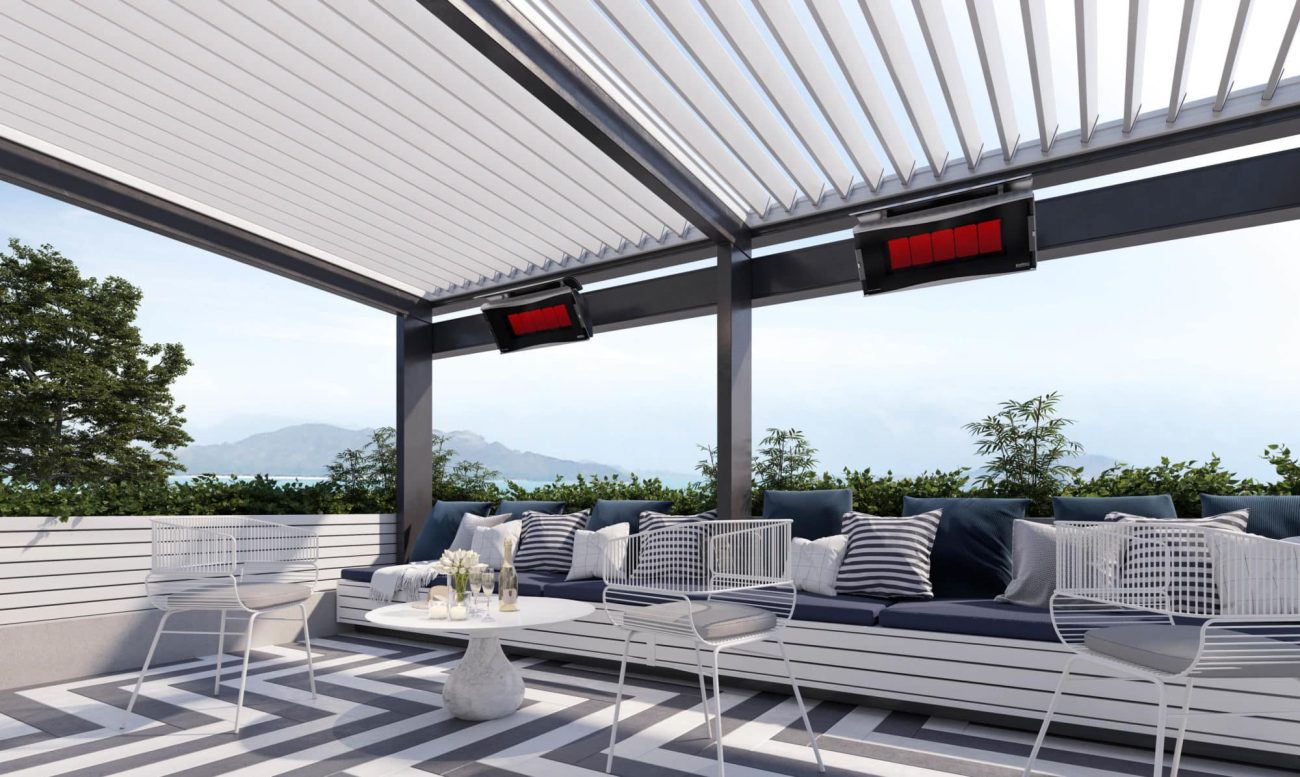
A vestibule is a small enclosed chamber built at your entrance, with an inner and outer set of doors, so the lobby never faces the outdoors directly. It is not a simple entrance awning or canopy – a canopy shelters the doorway, while a vestibule seals it. Most property managers install one to solve a specific winter problem: the blast of cold air, salt, slush and leaves that walks into the lobby every time the door opens.
The five factors that drive vestibule cost
1. Size and configuration
A single-door storefront vestibule is the simplest build. Double doors, sliding doors, or a wrap-around entrance with multiple traffic lanes add aluminium, glazing and labour. Roughly speaking, expect the structure to scale with the footprint you enclose.
2. Glazing and door packages
Tempered glass, insulated panels and commercial door hardware (closers, panic hardware, automatic operators) make up a big share of the bill. Heritage buildings and high-end retail entrances often require custom profiles and finishes, which raise the price further.
3. Structural and drainage work
Entrances with settling steps, poor drainage or non-standard framing need prep work before the vestibule goes in. If the threshold needs rebuilding to keep water out, that is a separate line item – and one worth doing properly, because it is exactly what a vestibule is meant to manage.
4. Permits and building compliance
In Toronto, an entrance alteration can trigger permit review, especially where accessibility clearances and fire egress paths are involved. A contractor who handles permitting for you is worth the premium; navigating it yourself mid-project is not fun.
5. Season of installation
Booking in late fall and winter usually means faster scheduling. Spring is the busiest commercial season in the GTA, so projects priced and booked in the quiet months often lock in better timelines.
A realistic way to budget it
Treat the mid-four figures as the entry point for a standard single-door unit installed on a straightforward entrance, and scale upward as the entrance grows, glazing gets fancier, or site conditions get complicated. When you request a quote, ask for the price broken into three parts: structure, glazing and doors, and site work. That breakdown makes it easy to compare bids and to trim scope where your building allows.
Timeline: what to expect
From approval to a finished vestibule, most projects we see in the GTA run a few weeks – measurement and engineering first, fabrication in the middle, and an installation that usually takes days, not weeks. The installation itself is the shortest part; the lead time on materials is what you are really scheduling around. That is exactly why fall and winter are the smart months to plan: your vestibule is measured, fabricated and installed well before the first deep freeze that made you want it.
The payback nobody puts on the quote
Besides energy and safety, vestibules quietly upgrade how a building presents. A clean, branded, well-lit entrance reads as “managed” to tenants and customers. Property managers tell us the entrance is the first thing prospective tenants judge – and the last thing most capital plans fund. Correcting that order is cheap relative to what it does for leasing conversations.
Next step
Get your entrance measured while the planning queue is short. Canadian Shade designs, fabricates and installs commercial vestibules across Toronto and the GTA, with the permitting and finishing handled as part of the project. Request a site measure and quote, and we will give you a firm, itemized number for your building – not a guess from a blog post.