A good balcony shade can turn a hot, exposed outdoor ledge into a comfortable place to read, eat, grow plants, or enjoy fresh air with more privacy. The best choice depends on how much sun your balcony gets, whether you rent or own, how windy the space is, and how permanent you want the installation to be. From a foldable shade for balcony use to bamboo panels, awnings, and balcony privacy screens, the right setup should balance comfort, style, airflow, and safety.
What is the best shade for balcony spaces?
The best shade for balcony spaces is the one that solves your main problem without creating a new one. If your balcony gets direct afternoon sun, a stronger sun shade for balcony coverage may be more useful than a light decorative screen. If your priority is privacy from nearby buildings, balcony privacy screens or bamboo panels may be a better fit than an overhead awning.
Start by looking at how you actually use the balcony. A small breakfast spot may only need side shade during morning hours, while a balcony with lounge seating may benefit from overhead coverage for several hours a day. The best option also needs to suit your building rules, railing type, local weather, and storage space.

The main factors that should guide your choice
Balcony shade is not only about blocking sunlight. It affects airflow, visibility, maintenance, and how spacious the area feels. Before comparing products, take a few minutes to understand the conditions on your balcony.
Consider these practical factors:
- Sun direction: East-facing balconies usually get morning light, while west-facing balconies can become very hot in the afternoon. South-facing spaces may need more consistent shade throughout the day.
- Wind exposure: Higher floors and open corners can experience strong gusts from high winds. Lightweight fabric, umbrellas, and loose screens must be secured properly.
- Rental rules: Renters often need non-drilling options such as tie-on screens, tension rods, weighted stands, or removable fabric panels.
- Privacy needs: If neighbors can see directly into your space, side coverage may matter more than overhead shade.
- Aesthetic style: Natural bamboo, canvas awnings, neutral fabric, and modern mesh all create very different looks.
- Storage and flexibility: Seasonal climates may call for shades that can be folded, rolled, or removed when not in use.
A shade that looks perfect online may not work well if it traps heat, blocks a view you enjoy, or cannot handle a breezy afternoon. Matching the shade to the space is more important than choosing the most dramatic design.
Popular patio shade options that work for balconies
Many patio shade options can be adapted for balconies, but smaller spaces need extra care. The goal is to add comfort without making the balcony feel crowded or difficult to move around.
Fabric sun shades
Fabric shades are one of the most versatile choices. They can be installed overhead, along a railing, or on one side of the balcony to soften harsh sunlight. A sun shade for balcony use should be made from outdoor-friendly material and secured so it does not flap or sag.
Fabric works especially well for renters because many styles can be tied, clipped, or temporarily mounted. Light-colored fabrics can help keep the space brighter, while darker shades may provide a stronger sense of enclosure and glare control. The tradeoff is maintenance: fabric may need cleaning, drying, and seasonal storage depending on your climate.
Awning shade for balcony comfort
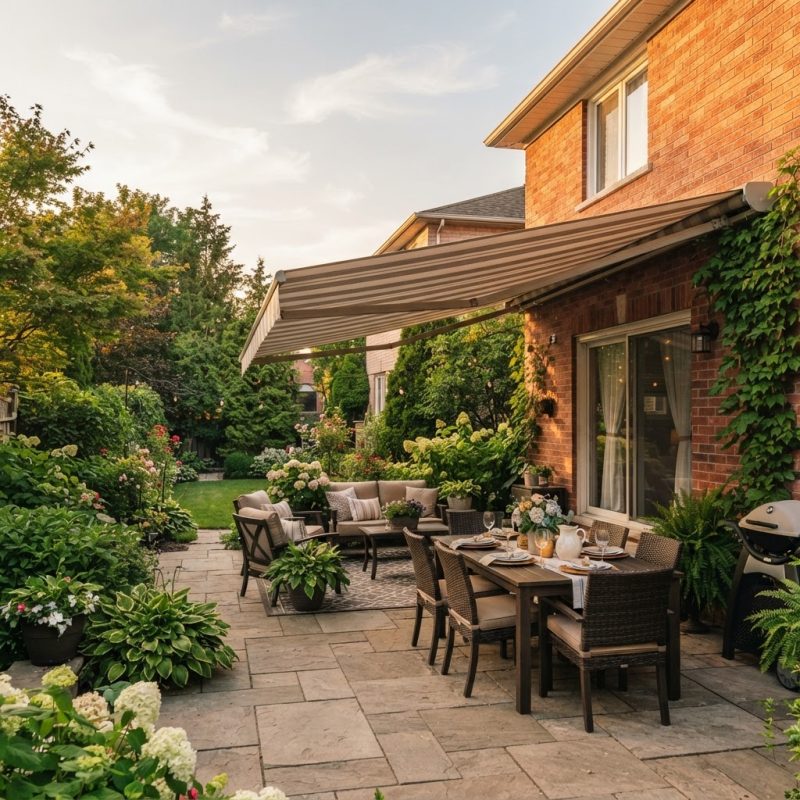
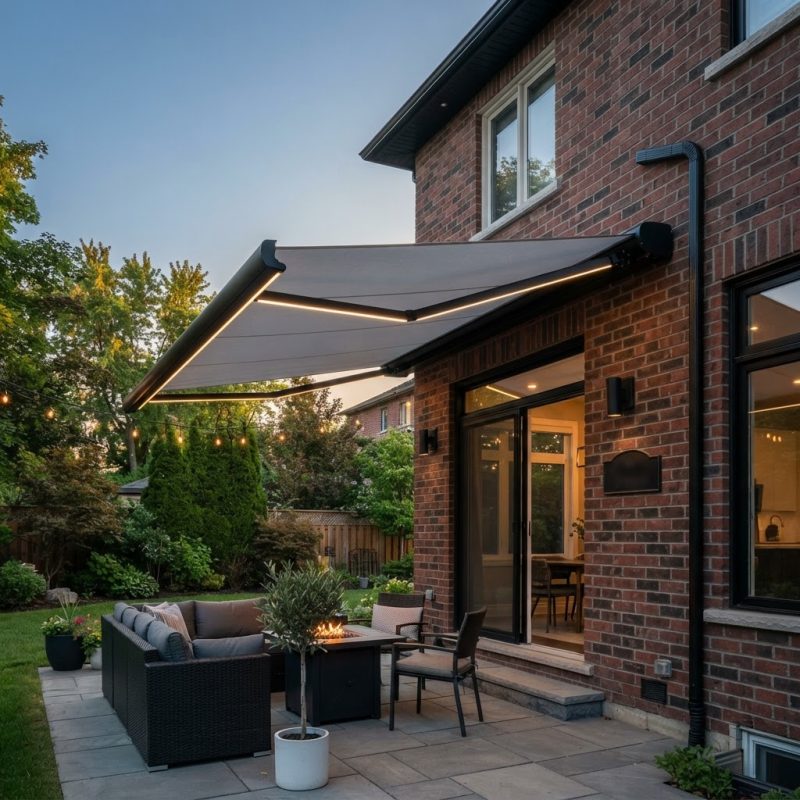
An awning shade for balcony areas offers a more structured look. Awnings are helpful when you want overhead coverage that feels integrated with the outdoor space. Some designs are fixed, while others retract when shade is not needed.
Awnings can make a balcony feel more like a small outdoor room, especially above a dining set or lounge chair. They are best suited for balconies where mounting is allowed and wind exposure is manageable. If you live in a building with strict exterior rules, always check before installing anything that changes the outside appearance.
Foldable shade for balcony flexibility
A foldable shade for balcony use is ideal when you want control from day to day. These shades can be opened during bright hours and tucked away when you want more light, a clearer view, or extra room. Foldable screens, pop-up canopies, and collapsible side panels all fall into this flexible category.
This option is especially useful for small balconies because it does not have to dominate the space. It also works well if the sun only becomes a problem for a short part of the day. Look for sturdy frames, simple folding mechanisms, and a design that can be secured when open.
Bamboo shade for balcony style
A bamboo shade for balcony spaces adds warmth and a natural texture that pairs well with plants, wood furniture, and relaxed outdoor decor. Bamboo screens are often used along railings or as roll-up panels to filter sunlight and improve privacy.
Bamboo does not usually block light as completely as heavy fabric, which can be a benefit if you want shade without making the space feel dark. It creates a softer, dappled effect and can make a plain balcony feel more inviting. Because bamboo is a natural material, it may weather over time, so it is best to choose outdoor-suitable products and expect some maintenance.
How much privacy do you need?
You need enough privacy to feel comfortable using the balcony, but not so much coverage that the space becomes closed-in, dark, or stuffy. Balcony privacy screens are a good solution when the main issue is visibility from neighbors, streets, or nearby windows. They can be combined with overhead shade if sunlight and privacy are both concerns.
Privacy screens come in mesh, fabric, reed, bamboo, faux greenery, and solid panel styles. Mesh screens are useful when airflow matters, while denser materials create a stronger visual barrier. Faux greenery can soften a balcony visually, though it may look less natural if overused or poorly fitted.
A balanced privacy setup might include:
- A railing screen to block street-level views
- A side panel where a neighboring balcony is close
- A roll-up bamboo shade for occasional coverage
- Potted plants to soften edges and add depth
- A small overhead shade for heat and glare control
The most comfortable balconies often use layers rather than one heavy barrier. This keeps the area feeling open while still creating a sense of retreat.

Matching shade types to balcony situations
Different balconies call for different solutions. Instead of asking which shade is best overall, it helps to match the product to the problem.
| Balcony situation | Shade option to consider | Why it works |
|---|---|---|
| Strong afternoon sun | Fabric sun shade or retractable awning | Provides broader coverage and reduces glare |
| Rental balcony | Foldable shade, tie-on screen, or removable fabric | Avoids permanent installation in most cases |
| Close neighboring balconies | Balcony privacy screens or side panels | Blocks direct sightlines without needing full enclosure |
| Natural decor style | Bamboo shade for balcony railings or sides | Adds warmth, texture, and filtered light |
| Small balcony | Foldable or roll-up shade | Saves space when not in use |
| Dining or lounging area | Awning shade for balcony seating | Creates a more room-like outdoor zone |
This comparison is a starting point, not a rulebook. In many cases, the best result comes from combining two light solutions, such as a railing privacy screen with a small overhead fabric shade.
Safety and installation should come first
Balcony shade must be secure. A loose panel or poorly weighted umbrella can become dangerous in strong wind, especially on upper floors. Even a lightweight sun shade for balcony use should be fastened according to the product instructions and removed during severe weather if needed.
If you are choosing a mounted awning, check whether the wall, ceiling, or railing can support it. For renters, avoid drilling unless you have written permission. For condo or apartment residents, building guidelines may limit exterior colors, materials, or anything visible from the street.
Use this quick checklist before installing any shade:
- Confirm building rules before buying mounted or highly visible products.
- Measure carefully, including railing height, ceiling clearance, and walking space.
- Check wind exposure at the time of day you use the balcony most.
- Choose outdoor-rated materials that can handle sun, moisture, and temperature changes.
- Secure every corner or support point so the shade does not flap, lean, or detach.
- Plan for removal or storage during storms, winter, or long periods away.
A beautiful shade is only a good choice if it feels stable and practical in daily use.
Style ideas that make balcony shade feel intentional
Shade can be functional and still look polished. The key is to repeat colors, textures, or materials already present in your balcony setup. For example, a bamboo screen looks more intentional when paired with woven planters, warm wood tones, or leafy plants. A neutral fabric awning can feel clean and modern with black metal furniture and simple cushions.
If your balcony is small, choose lighter colors and streamlined shapes to avoid a cramped feeling. If your balcony is exposed and plain, texture can make a big difference. Bamboo, woven screens, canvas fabric, and outdoor curtains can all soften hard surfaces.
Try these simple design moves:
- Match shade fabric to cushion colors for a cohesive look.
- Use plants near privacy screens to make them feel less flat.
- Choose roll-up shades when you want a relaxed, flexible appearance.
- Keep patterns subtle if the balcony is small or already visually busy.
- Leave some open sightlines so the balcony still feels connected to the outdoors.
The best shade for balcony design should feel like part of the space, not an afterthought tied on in a hurry.
Which shade is easiest to maintain?
The easiest shade to maintain is usually a removable or wipeable option that suits your weather. Fabric panels may need occasional washing, bamboo may need gentle cleaning and protection from prolonged dampness, and awnings may require brushing off debris. Balcony privacy screens made from synthetic mesh are often low-effort, but they may not offer the same warmth as natural materials.
Maintenance also depends on how easy the shade is to reach. A screen along the railing is simpler to clean than a large overhead panel. A foldable shade for balcony use can often be stored when the weather is harsh, which may help it last longer and keep the balcony looking tidy.
Before choosing, ask yourself whether you are willing to clean, roll, fold, or store the shade regularly. If not, pick the simplest option that still solves the problem.
A practical way to choose your balcony shade
If you are unsure where to start, use a simple decision process. First, identify your main issue: heat, glare, privacy, style, or flexibility. Then choose the least complicated shade that solves that issue well.
For example, if your balcony is comfortable except for one hour of direct sun, a foldable or roll-up shade may be enough. If you cannot sit outside most afternoons because of heat, a larger fabric sun shade or awning may be worth considering. If you mainly feel exposed, start with balcony privacy screens and add overhead shade only if needed.
The right shade should make your balcony easier to use, not harder to manage. Measure carefully, think about the sun’s path, respect building rules, and choose materials that match your lifestyle. With the right mix of comfort, privacy, and style, even a compact balcony can become a more useful and enjoyable outdoor space.