Benefits of Retractable Awnings in Toronto
Toronto homeowners know the feeling: one week the patio is too hot to enjoy, and the next week a passing shower cuts an outdoor meal short. Retractable awnings offer a flexible way to make decks, balconies, storefronts, and backyard seating areas more comfortable without permanently covering the space. They provide shade when you want it, open sky when you do not, and a cleaner outdoor living experience through much of the warmer season.
For anyone comparing awnings toronto options, the best choice depends on how the space is used, how much exposure it gets, and whether you prefer a fabric system, aluminum awnings, or a more permanent canopy solution. This guide explains the practical benefits, where retractable systems work best, and what to consider before choosing an installer or supplier.
Why are retractable awnings useful in Toronto?
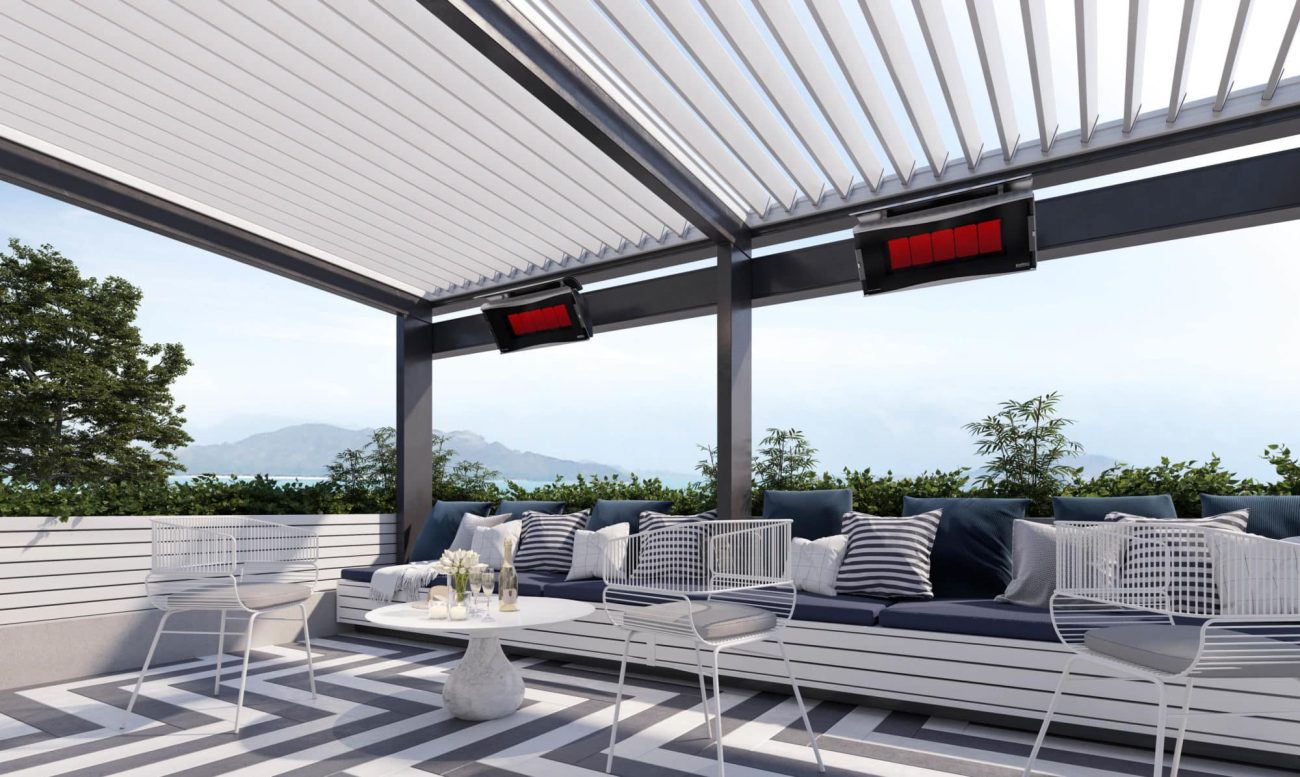
Retractable awnings are useful in Toronto because they let you adapt quickly to changing sun, heat, and light conditions. Instead of building a fixed roof over a patio or window, you can extend the awning during bright afternoon sun, then retract it when you want more natural light, airflow, or an open view of the sky.
That flexibility matters in a city where outdoor space is valuable. A small backyard, rooftop terrace, restaurant patio, or condo balcony can feel dramatically more usable when shade is available on demand. The awning does not have to dominate the space every day; it becomes part of how you control comfort.
Retractable systems are also appealing because they support both lifestyle and property function. They can help reduce glare indoors, protect patio furniture from direct sun, and create a more inviting area for reading, dining, entertaining, or relaxing after work.

Everyday comfort is the biggest benefit
The most immediate advantage is simple: shade makes outdoor areas easier to use. A deck that feels harsh at noon can become a comfortable lunch spot. A west-facing window that bakes in the late afternoon can feel more manageable. A patio table that guests avoid on bright days can become the natural gathering place.
Unlike umbrellas, retractable awnings cover a broader area without a centre pole interrupting furniture layouts. This is especially helpful for narrow urban decks, long dining tables, or commercial patios where every square foot matters. The shade feels more integrated because it comes from the building rather than from a movable object in the middle of the space.
Retractable awnings Toronto homeowners choose are often about improving daily routines, not just adding a feature. Morning coffee, weekend grilling, kids’ play areas, and quiet evenings outdoors all become easier when sun exposure is controlled. That everyday usefulness is what turns an awning from an accessory into a practical home improvement.
Awnings help protect outdoor spaces
Direct sun can be tough on outdoor furniture, cushions, wood finishes, and decorative elements. While an awning is not a substitute for proper furniture covers or seasonal storage, it can reduce constant exposure during the times you use the space most. Less direct sunlight on seating areas may help fabrics, finishes, and surfaces stay more comfortable and presentable.
Shade can also make exterior doors and windows feel less exposed. If a room gets strong sunlight for several hours, an awning outside the glass can help reduce glare before it enters the home. This can make indoor spaces more pleasant for working, watching TV, or simply sitting near the window.
For businesses, protection is part of presentation. A shaded storefront, café entrance, or patio seating area can feel more welcoming. It gives customers a more comfortable first impression and can help define the outdoor area without making it feel closed in.
Retractable designs give you control
Fixed covers have their place, but they create permanent shade even when you may not want it. Retractable awnings solve that problem by letting you choose when coverage is needed. On cooler days, you can leave the awning closed and let the sun warm the space. On bright days, you can extend it and enjoy a softer outdoor environment.
Many homeowners appreciate this seasonal flexibility. In spring and fall, natural sunlight can be welcome. In midsummer, shade becomes more important. A retractable system adapts to both situations without requiring a major change to the structure of the home.
This control also supports different uses throughout the day. You may want full shade for lunch, partial shade in the afternoon, and no cover at sunset. A retractable awning allows the space to shift with your plans instead of forcing one fixed condition.
What should you consider before choosing an awning?
Before choosing an awning, consider the size of the area, the direction of sun exposure, the mounting surface, the fabric or material, and how often you expect to use it. A good awning should fit the way you live, not just the width of a wall.
Start with the sun pattern. A south- or west-facing patio may need deeper projection than a shaded side yard. A balcony may require a compact design that respects building rules. A storefront may need a stronger focus on branding, pedestrian clearance, and visual consistency with the façade.
Use this quick checklist when comparing options:
- Measure the usable area, not just the wall. Think about where people actually sit, stand, cook, or walk.
- Watch the sun at different times. Morning, midday, and late afternoon exposure can create different shade needs.
- Check the mounting location. Brick, siding, soffits, and structural framing may require different installation approaches.
- Think about operation. Manual systems can work well for smaller spaces, while motorized options may be more convenient for frequent use.
- Ask about fabric and frame care. Materials should suit local weather, exposure, and the amount of maintenance you are willing to do.
- Plan for wind and storms. Retractable awnings should be closed during harsh conditions, so easy operation matters.
Taking time with these details helps you avoid choosing an awning that looks good in a brochure but does not perform well in your actual space.
Fabric awnings and aluminum awnings serve different needs
Fabric retractable awnings are popular because they combine shade, colour, and flexibility. They soften a patio visually and can complement brick, siding, stone, or modern exterior finishes. When retracted, they reduce the sense of permanent coverage, which is useful for homeowners who want shade without changing the character of the outdoor area.
Aluminum awnings, by contrast, are often chosen for durability and more permanent coverage. They can be useful over doors, walkways, windows, and service areas where consistent shelter is more important than retractability. If you are searching for Aluminum Awnings Toronto, you are likely comparing a sturdier fixed option with a retractable fabric system.
Neither choice is automatically better. The right solution depends on the job. If you want adjustable shade over a patio where you entertain, retractable fabric may make sense. If you want year-round overhead protection for a side entrance, aluminum awnings may be more practical. In some properties, both types can work together in different areas.
Style matters more than many people expect
An awning changes how a building looks, so style should not be an afterthought. Colour, valance shape, frame finish, projection, and placement all influence the final appearance. A well-chosen awning can make a patio look intentional and finished; a poorly matched one can feel like an add-on.
For residential spaces, neutral tones often blend easily with exterior finishes, while stripes or stronger colours can add personality. For commercial spaces, an awning may also support brand visibility, especially near entrances or patios. The key is to choose a design that feels connected to the architecture rather than competing with it.
It is also worth thinking from the inside out. An awning affects the light coming through windows and doors, so the colour and depth of shade can influence indoor atmosphere. A design that looks attractive outside should also make the connected room feel comfortable.
Installation quality affects long-term satisfaction
Even the best awning can disappoint if it is poorly sized or installed. The structure must be suitable for the chosen mounting point, and the pitch should support shade performance and water runoff expectations. Professional guidance is helpful because awnings involve more than measuring width and picking a colour.
A careful installer will look at the building surface, surrounding obstacles, clearance, and how the awning will be used. They may also discuss whether nearby trees, railings, doors, lights, or eaves affect placement. These practical details can make the difference between a smooth installation and a frustrating one.
When comparing providers, avoid choosing only by the lowest quote. Ask clear questions about product options, installation process, maintenance expectations, and what is included. Whether you are considering a local showroom, the awning factory model, or another supplier, clarity before purchase is a major advantage.
How do Toronto options compare with awning markets in other cities?
Toronto buyers often face similar questions as homeowners in other Canadian cities: sun exposure, changing weather, material durability, design preferences, and installation quality. Searches such as awnings vancouver bc, awnings vancouver, or alberta tent and awning edmonton show that people across Canada are looking for shade and shelter solutions that fit their regional conditions.
The difference is that each city creates its own priorities. Coastal areas may make buyers think more about moisture and mild-season use. Prairie cities may place more emphasis on open exposure and wind planning. Toronto has its own mix of dense neighbourhoods, older homes, newer builds, condo balconies, backyard decks, and commercial patios.
That is why it helps to work with someone who understands the local property context. A solution that works beautifully for one climate or building type may need adjustment for another. For awnings toronto projects, the best result usually comes from matching the product to the exact site rather than copying a generic setup.
Maintenance keeps the awning looking better
Retractable awnings are relatively easy to live with when they are used properly, but they still need care. Regular attention helps preserve appearance and function. It also gives you a chance to notice small issues before they become bigger problems.
Good habits include letting fabric dry before retracting when possible, brushing away loose debris, and closing the awning during strong wind or severe weather. Avoid using harsh cleaning methods unless recommended for the specific material. If the awning has moving parts or motorized operation, follow the supplier’s care guidance.
A simple seasonal routine can help:
- Inspect the fabric and frame at the start of the outdoor season.
- Clear leaves, twigs, and surface dirt before they settle into seams or hardware.
- Test opening and closing so you know the system moves smoothly.
- Review weather habits with everyone in the household or staff so the awning is retracted when needed.
- Schedule service if something feels off rather than forcing the mechanism.
Small routines like these help protect your investment and keep the awning pleasant to use.
Retractable awnings support better outdoor living
A retractable awning does not have to transform your property dramatically to be worthwhile. Sometimes the value is in simple improvements: less glare during lunch, cooler seating, a more comfortable doorway, or a patio that gets used more often. These everyday gains can change how a home or business feels during the outdoor season.
For homeowners, that may mean making a compact backyard feel like a real extension of the living room. For restaurants and cafés, it may mean creating a more appealing seating area. For offices or storefronts, it may mean softening the entrance and improving the customer experience.
If you are comparing Retractable Awnings Toronto options, focus on fit, function, and installation quality before style alone. The best awning is one that looks good, operates easily, and solves the real comfort issues in your space.
Final takeaway
Retractable awnings are a practical way to make Toronto outdoor areas more comfortable, flexible, and visually complete. They provide shade when needed, retract when not in use, and can support both residential and commercial spaces without the permanence of a fixed roof.
Whether you are comparing fabric systems, aluminum awnings, or broader awnings toronto choices, start with how the space is used day to day. A thoughtful selection will give you shade that feels natural, useful, and well matched to your property.