Benefits of Gas Heaters for Outdoor Spaces
A comfortable outdoor space should not become unusable the moment the temperature drops. Gas heaters help extend patio season by adding steady, targeted warmth to dining areas, lounges, entryways, decks, and covered outdoor gathering spots. Whether you are comparing a propane patio heater, a natural gas patio heater, or portable propane heaters for outside, the right choice can make your space feel more inviting, practical, and ready for everyday use.
Why are gas heaters a smart choice for outdoor spaces?
Gas heaters are a smart choice because they deliver fast, reliable warmth without requiring major changes to how your outdoor area is used. Instead of relying only on blankets, fire pits, or temporary electric solutions, a gas patio heater can create a more comfortable zone around seating, dining tables, or service areas. For homeowners and businesses, that means patios can stay active during cooler evenings, shoulder seasons, and unpredictable weather shifts.
Their biggest advantage is simple: they make outdoor comfort easier to control. Many gas heaters are designed to warm the people and objects around them rather than trying to heat the entire outdoors. That focused warmth helps guests settle in, encourages longer use of the space, and makes patios feel less like a seasonal bonus and more like a functional extension of the property.

Gas heat extends the use of patios and gathering areas
Outdoor spaces often represent a meaningful investment. Furniture, shade structures, landscaping, flooring, lighting, and dining setups all add value, but cool weather can limit how often those features are enjoyed. Outdoor propane heaters for patio areas help bridge that gap by making the space usable when the air is crisp but the setting is still worth enjoying.
For residential spaces, this can mean more relaxed dinners outside, morning coffee on the deck, or evening conversations without everyone rushing indoors. For commercial patios, gas heaters can support a better guest experience by helping people feel comfortable while they wait, dine, or socialize outside. In both cases, the practical benefit is the same: the outdoor area becomes less dependent on perfect weather.
A propane gas patio heater is especially useful where flexibility matters. It can often be placed where warmth is needed most, then adjusted as seating arrangements change. A natural gas patio heater, on the other hand, can be a strong fit for a more permanent setup where the patio layout is already established and consistent.
The main benefits are comfort, control, and atmosphere
Gas heaters do more than raise the temperature. They change how a space feels. A patio that might otherwise seem too chilly can become warm enough for conversation, dining, reading, or casual entertaining. That comfort often encourages people to stay longer and use the space more naturally.
They also provide a sense of control. Instead of hoping the weather cooperates, you can prepare the area for cooler conditions in advance. This is especially helpful in regions where temperatures change quickly in the evening or where spring and fall bring pleasant days but colder nights.
There is also an atmosphere benefit. A well-placed gas patio heater can add visual structure to an outdoor setting. Tall patio heaters can frame a seating area, tabletop models can support intimate dining zones, and mounted units can keep walkways or covered lounges feeling clean and uncluttered. When chosen thoughtfully, gas heaters become part of the design rather than an afterthought.
Propane and natural gas options support different needs
Not every outdoor space works the same way, so it helps to understand the difference between propane and natural gas choices before selecting a heater. Both can be effective, but they suit different priorities.
Propane heaters offer flexibility
Propane heaters for outside are popular because they are movable and do not always require a fixed fuel line. This makes them practical for changing layouts, seasonal use, rental properties, event spaces, and patios where permanent installation is not ideal. If you often rearrange furniture or want to warm different parts of the patio at different times, a propane patio heater may be the easier choice.
Propane models are also widely used because they can be set up in many outdoor environments. Freestanding units are common around dining tables and lounge seating, while smaller designs can work in tighter areas when used according to manufacturer guidance. The key benefit is adaptability: you can bring warmth where people are gathering.
Natural gas heaters suit permanent setups
A natural gas patio heater may be better for spaces where the heater will remain in a consistent location. Because it connects to a gas line, it can reduce the need to move or replace fuel tanks. That makes it appealing for built-in patios, restaurants, outdoor kitchens, and planned seating areas where convenience and consistency matter.
The tradeoff is that natural gas models typically require more planning. Location, fuel access, ventilation, and installation requirements should all be considered before committing. For the right space, though, a natural gas heater can feel seamless and dependable.
Which type of gas patio heater fits your space?
The best gas patio heater depends on how your outdoor area is arranged, how often you use it, and whether you need portability or permanence. A compact residential balcony, a backyard dining area, and a large commercial patio each call for different heater styles. Before choosing, think about the size of the space, the seating layout, the level of exposure to wind, and how people move through the area.
Use this quick comparison to narrow your options:
| Heater type | Best for | Key advantage | What to consider |
|---|---|---|---|
| Freestanding propane patio heater | Flexible seating areas, decks, dining zones | Easy to reposition | Needs stable placement and fuel access |
| Tabletop propane heater | Small gatherings or compact tables | Space-saving warmth | Limited coverage area |
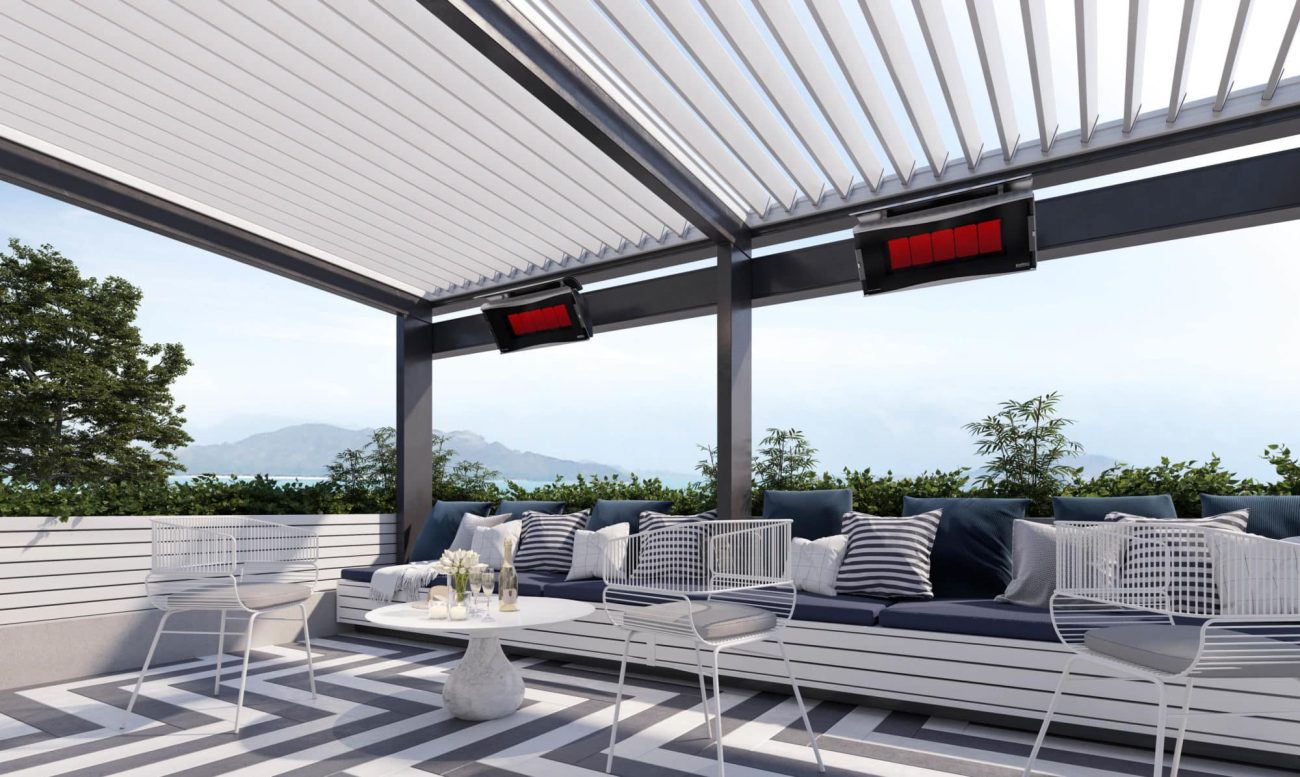
| Mounted gas heater | Covered patios, walls, fixed zones | Keeps floor space open | Requires suitable mounting location |
| Natural gas patio heater | Permanent patios and commercial layouts | Consistent fuel supply | Requires planning and proper connection |
This is also where browsing a product category such as Gas Heaters Archives – Canadian Shade Inc. can be useful. Seeing different heater styles together makes it easier to compare shapes, mounting options, and use cases before deciding what belongs in your space.
Gas heaters help create better outdoor experiences
Comfort is the obvious benefit, but the real value comes from the experiences that comfort makes possible. A warm patio feels more welcoming. Guests are less distracted by the cold, conversations last longer, and meals do not feel rushed. For families, that could mean using the backyard more often. For hospitality spaces, it can mean creating an outdoor setting that feels considered and guest-friendly.
Gas heaters also pair well with other outdoor comfort features. Shade structures, wind screens, lighting, cushions, and weather-resistant furniture all contribute to a better environment. Heat is one piece of that larger comfort plan, and it works best when the patio is arranged with intention.
For example, a heater placed near the edge of a seating zone may not perform as well as one positioned around the area where people actually gather. Similarly, a heater in a windy, open location may need support from a screen, wall, or more protected layout. Placement is not just a technical detail; it affects whether the warmth feels useful.
Safety and placement should guide every decision
Gas heaters are practical, but they should always be selected and used with care. Outdoor heating involves fuel, heat, clearance, airflow, and stable positioning, so the manufacturer’s instructions should be followed closely. If installation is required, especially for mounted or natural gas models, it is wise to work with qualified professionals rather than guessing.
A few basic considerations can help you plan responsibly:
- Use outdoor-rated heaters only. A heater designed for outdoor use is built for conditions that indoor appliances are not.
- Keep proper clearance. Avoid placing heaters too close to ceilings, umbrellas, fabric, plants, walls, or furniture.
- Choose stable surfaces. Freestanding units should sit on level ground where they are unlikely to tip.
- Protect traffic flow. Place heaters where people will not bump into them, trip over bases, or crowd around hot surfaces.
- Think about ventilation. Gas heaters need appropriate airflow and should not be used in enclosed areas unless the product is specifically rated for that environment.
- Store fuel properly. Propane tanks should be handled and stored according to local rules and product instructions.
Good planning helps the heater perform better and makes the patio feel more polished. Instead of squeezing warmth into a space at the last minute, design the layout so heat, seating, lighting, and movement all work together.
How can you get the most from outdoor propane heaters for patio comfort?
You get the most from outdoor propane heaters for patio comfort by matching the heater to the way people actually use the space. Start with the main seating or dining area, then consider wind exposure, furniture spacing, and whether the heater needs to move throughout the season. The goal is not simply to buy the largest unit; it is to create warmth where it will be felt and appreciated.
Here is a practical checklist before you choose:
- Map the gathering zones. Identify where people sit, eat, stand, or wait most often.
- Decide between portable and fixed warmth. Choose propane for flexibility or natural gas for a planned permanent setup.
- Measure available space. Make sure the heater fits without crowding furniture or walkways.
- Review placement limits. Check clearance, overhead coverage, ventilation, and surface stability.
- Match style to the setting. A sleek mounted unit may suit a modern covered patio, while a freestanding propane gas patio heater may suit a flexible backyard layout.
- Plan storage and maintenance. Consider where the heater or fuel source will go when not in use.
This kind of planning prevents common frustrations. It helps you avoid placing a heater where it looks good but does not warm the right area, or choosing a model that is powerful but awkward for the space.
Design matters as much as heat output
A heater that technically works but disrupts the patio layout can still feel like the wrong choice. Outdoor spaces are visual and social environments, so the heater should support the design rather than dominate it. Look at height, finish, shape, footprint, and how the unit relates to your furniture.
For a cozy lounge area, a freestanding propane patio heater can define the space and make it feel intentional. For a dining patio, multiple heaters may be more effective when placed around the seating perimeter rather than clustered in one spot. For a narrow walkway or covered section, a mounted gas heater may keep the floor clear while still adding warmth.
The best result feels natural. People should notice that the space is comfortable before they notice the equipment making it comfortable.
A warmer patio starts with the right plan
Gas heaters can transform an outdoor area from occasional-use space into a more dependable extension of the home or business. They provide targeted warmth, support longer patio use, and help create a setting where people can relax even when the temperature dips. Whether you are considering portable propane heaters for outside or a permanent natural gas patio heater, the right choice depends on your layout, comfort goals, and installation needs.
Start by looking at how your space is used today and where cooler weather interrupts that use. From there, choose gas heaters that fit the setting, follow safe placement practices, and support the atmosphere you want to create. With thoughtful planning, your patio can feel welcoming well beyond the warmest days of the year.