Benefits of Electric Heaters for Winter
Winter comfort is not only about turning up the main heating system. Electric heaters can add focused warmth where and when you need it, from a chilly home office to a covered patio that still gets used after sunset. With options ranging from compact indoor units to radiant electric heaters and outdoor electric heaters, they offer a practical way to make cold-weather spaces more comfortable without overcomplicating your setup.
Why are electric heaters useful in winter?
Electric heaters are useful in winter because they deliver targeted heat quickly, often with simple controls and flexible placement. Instead of heating every room at the same level, you can warm the spaces you actually use, which can make daily routines feel more comfortable. This is especially helpful in rooms that never seem to stay warm, outdoor seating areas, workshops, sunrooms, basements, and transition spaces near doors or windows.
Unlike fuel-burning heaters, an electric heater does not require storing propane, lighting a flame, or managing combustion byproducts. That simplicity makes electric heaters appealing for households and businesses that want convenient supplemental heat. The right model depends on the space, the level of exposure to cold air, and whether you want temporary warmth, installed comfort, or outdoor heating.

Electric heating gives you flexible comfort
One of the biggest advantages of electric heaters is flexibility. A central system may be designed to heat an entire home or building, but winter comfort is often more specific than that. You may need extra warmth near a desk in the morning, in a bathroom before a shower, underfoot in a tiled room, or outside on a patio during a gathering.
Electric heating works well for this kind of zoned comfort. Instead of accepting one temperature for every area, you can use a heater where the cold is most noticeable. This approach can be especially helpful in spaces with high ceilings, large windows, exterior walls, or occasional use.
Common winter uses include:
- Home offices: Add warmth during working hours without changing the temperature throughout the whole house.
- Garages and workshops: Make task areas more usable during short projects or repairs.
- Covered patios: Extend the season for outdoor meals, coffee, or social visits.
- Basements: Offset the cool, below-grade feeling that many basements have in winter.
- Bathrooms and tiled areas: Pair warmth with comfort, especially when using electric floor heaters.
This flexibility is a major reason people compare different electric heaters before winter settles in. The goal is not always to replace a primary heating system. Often, the goal is to make specific moments and spaces feel better.
Different types of electric heaters solve different winter problems
The phrase “electric heaters” covers several product styles, and each one suits a different need. Choosing well starts with knowing how the heater delivers warmth and where it will be used.
Portable electric heaters
Portable units are often used for short-term or room-specific comfort. They can be convenient in bedrooms, offices, hobby rooms, or other indoor areas where extra warmth is needed for part of the day. Because they are movable, they are best for people who want seasonal flexibility rather than a permanent installation.
When using a portable electric heater, placement matters. It should sit on a stable surface with clearance around it, away from soft furnishings, paper, curtains, and high-traffic paths. As with any heating appliance, following the manufacturer’s instructions is essential.
Radiant electric heaters
Radiant electric heaters warm people and surfaces more directly instead of relying only on warming the surrounding air. This can feel especially pleasant in spaces where air movement or drafts make traditional heating less effective. Radiant heat is often used in patios, garages, workshops, and areas where direct comfort matters.
Because radiant heat is directional, positioning is important. A well-placed radiant heater can make a seating area feel noticeably warmer, while a poorly placed one may send heat where no one is sitting. For winter comfort, think about where people gather, stand, eat, or work, then plan the heater location around those zones.
Electric floor heaters
Electric floor heaters provide warmth from below, which can make hard flooring feel much more comfortable in winter. They are often associated with bathrooms, kitchens, entryways, and other spaces where tile or stone can feel cold underfoot. Instead of blasting warm air into the room, floor heating creates a gentle comfort that starts at the surface people actually touch.
This option is usually more installation-focused than a portable heater. It works best when planned during a renovation, flooring update, or new build. For homeowners who dislike cold floors, however, electric floor heaters can be one of the most satisfying winter upgrades.
Electric patio heaters
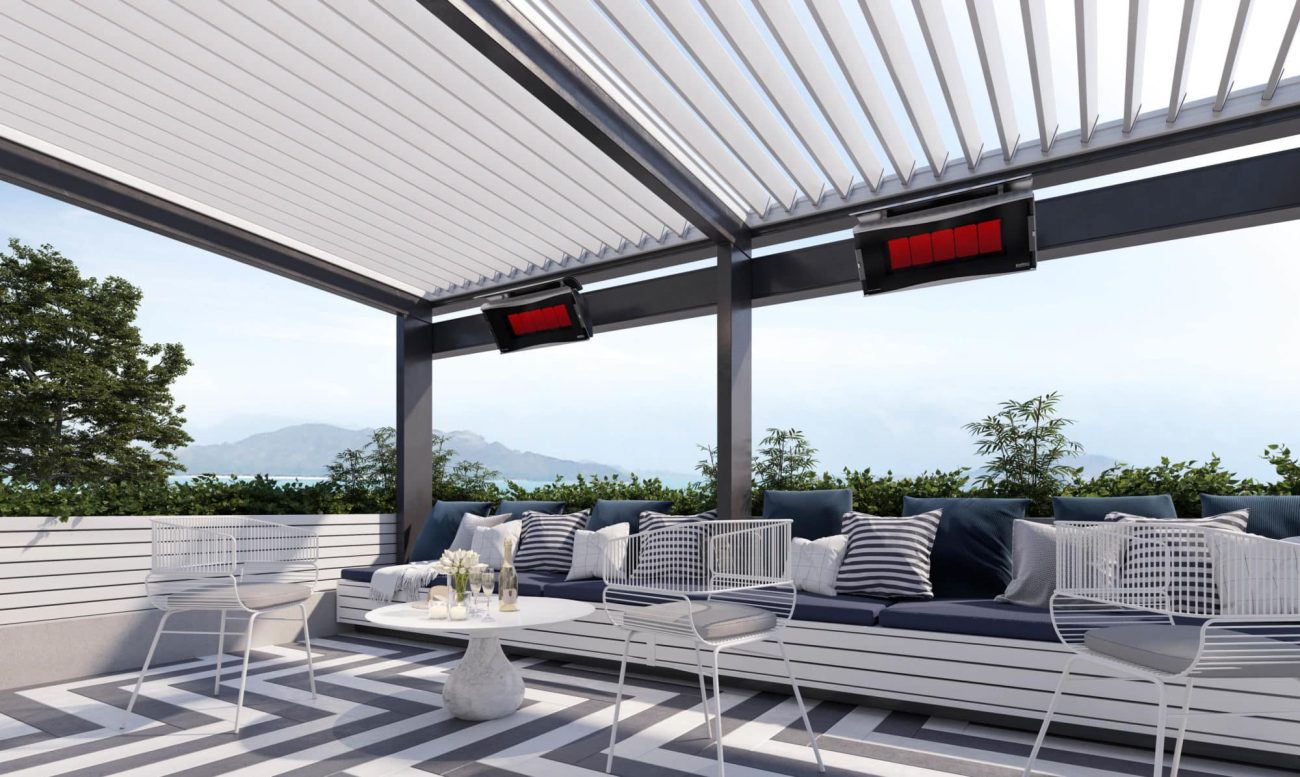
Electric patio heaters are designed to make outdoor living areas more usable in cooler weather. They are commonly used in covered patios, decks, balconies, restaurant terraces, and backyard seating zones. An outdoor heater electric setup can be especially appealing when you want warmth without handling fuel canisters or managing an open flame.
Outdoor electric heaters should be chosen based on the conditions of the space. A sheltered patio has different heating needs than an open, windy area. Mounting height, coverage area, exposure to weather, and access to electrical power all influence which option makes sense.
Outdoor electric heaters help extend patio season
Winter does not always mean outdoor spaces must sit unused. With the right electric patio heaters, a covered seating area can remain inviting during crisp evenings, weekend gatherings, or quiet mornings with a hot drink. The benefit is not just warmth; it is making an existing space more useful for more of the year.
Outdoor electric heaters are also a good fit for design-conscious spaces because many models can be wall-mounted, ceiling-mounted, or positioned in ways that keep floors clear. This can help preserve the look and flow of a patio while still adding comfort. In commercial settings, a carefully planned outdoor heater electric layout can support guest comfort in patios or waiting areas during colder seasons.
Before choosing an outdoor model, consider:
- Shelter level: Covered and semi-enclosed spaces usually retain comfort better than fully open areas.
- Seating layout: Heat should be directed where people actually sit or stand.
- Mounting options: Wall, ceiling, and freestanding styles create different coverage patterns.
- Weather exposure: Outdoor-rated equipment is important for exterior conditions.
- Power access: Electrical capacity and safe installation should match the heater’s requirements.
If you are browsing product categories such as Electric Heaters Archives – Canadian Shade Inc., use the category as a starting point for comparing heater styles, not just appearances. The best choice is the one that fits the real conditions of your winter space.

Are electric heaters energy efficient?
Electric heaters can be efficient at the point of use because they convert electrical energy into heat in the space where warmth is needed. Their practical efficiency often comes from targeted heating: you warm a specific room, floor area, work zone, or patio seating area rather than raising the temperature everywhere. Actual operating cost depends on local electricity rates, heater size, usage time, insulation, weather, and how well the heater matches the space.
The most efficient setup is usually the one that avoids waste. A heater that is too small may run constantly without creating comfort, while one placed poorly may heat empty areas. A good winter heating plan focuses on matching the heater type to the task.
To use electric heaters more wisely:
- Heat the occupied zone, not empty space. Aim radiant electric heaters toward seating or work areas.
- Use timers or controls when available. Avoid leaving heaters on longer than needed.
- Close doors where practical. Keeping warmth contained helps indoor heaters work better.
- Reduce drafts. Weatherstripping, curtains, and rugs can improve comfort alongside heating.
- Choose the right style. Electric floor heaters, patio heaters, and portable heaters solve different problems.
Efficiency is not only about the heater itself. It is also about how thoughtfully it is used.
Comfort improves when heat is placed where people feel cold
Winter discomfort often comes from specific cold points rather than an entire space being too cold. A person sitting near a window may feel chilled even when the thermostat says the room is warm. Someone stepping onto tile may feel cold because the floor surface draws heat from their feet. Guests on a patio may feel comfortable near the table but cold at the edges.
Electric heating can address these problem spots directly. Radiant electric heaters can warm a seating zone. Electric floor heaters can make tile or stone more pleasant. Electric patio heaters can focus warmth where people gather instead of trying to heat the open air.
This is why placement is just as important as product selection. Think about how the space is used at different times of day. A breakfast nook, reading chair, bathroom floor, workshop bench, or outdoor dining table may each need a different heating approach.
Electric heaters are simple to operate and maintain
Another winter benefit is ease of use. Many electric heaters operate with straightforward switches, thermostats, remotes, or control panels. There is no need to refill fuel, store tanks, or arrange deliveries, which can make electric heating feel more convenient during busy winter months.
Maintenance is also generally simple, though it still matters. Keeping vents or heater surfaces clean, checking cords and connections, and following the manufacturer’s care instructions can support safer and better performance. Installed systems should be set up according to appropriate electrical requirements, and outdoor equipment should be rated for the environment where it will be used.
A simple winter readiness checklist can help:
- Inspect the heater before seasonal use.
- Confirm it is appropriate for indoor or outdoor placement.
- Keep the surrounding area clear.
- Test controls, timers, and thermostats.
- Review the manufacturer’s operating instructions.
- Arrange professional installation when wiring or mounting requires it.
Good habits make electric heating more reliable and more comfortable throughout the season.
What should you consider before buying an electric heater?
Before buying an electric heater, consider the location, purpose, exposure to cold, installation needs, and how often the space will be used. A bathroom floor, a garage workstation, and a covered patio all need different solutions, even though they may all fall under the broad category of electric heaters. The best choice balances comfort, safety, appearance, and practical use.
Start with the space. Is it indoors or outdoors? Is it enclosed, drafty, covered, or open? Will people sit close to the heat source, move around, or use the area briefly? These answers help narrow the choice between portable electric heaters, electric floor heaters, radiant electric heaters, and outdoor electric heaters.
Then think about installation. Some heaters are plug-in and seasonal, while others are mounted or built into a floor system. If the heater requires dedicated wiring, mounting, or outdoor electrical planning, professional guidance is the safer path.
Finally, consider comfort expectations. A heater can make a cold zone more pleasant, but outdoor winter conditions, drafts, insulation, and room size still matter. Clear expectations lead to better satisfaction.
A warmer winter starts with the right heating strategy
Electric heaters can make winter living more comfortable by putting warmth where it is needed most. From indoor supplemental heat to electric floor heaters and electric patio heaters, the right setup can improve daily routines, extend outdoor enjoyment, and reduce the frustration of cold spots.
The key is to choose for the space, not just the season. Match the heater to the area, place it thoughtfully, use it responsibly, and focus on the moments where added warmth will matter most. With a practical plan, electric heating can turn more of your home or outdoor space into a place you actually want to use during winter.